
The Smile Upgrade Everyone Is Talking About
There was a time when straightening your teeth meant committing to a very visible process—metal brackets, wires, regular tightening appointments, and the occasional awkward smile in photographs.
But orthodontics has evolved.
Today, many professionals, students, and even public figures are quietly transforming their smiles with Invisalign aligners - a system designed to straighten teeth in a way that is subtle, flexible, and surprisingly comfortable.
At first glance, the idea seems simple: transparent trays that gently guide your teeth into better alignment.
But behind that simplicity lies precision, discipline, and a few important habits that determine how successful your treatment will be.
Before you begin your journey, understanding the Invisalign dos and don’ts before starting treatment can make your experience smoother, faster, and far more rewarding.
Think of it less as a rulebook-and more as a smart guide to getting the best possible results.
The Modern Orthodontic Secret: Clear Aligners
Before diving into the dos and don’ts, it helps to understand why aligners have become one of the most popular orthodontic solutions worldwide.
Clear aligners represent a modern approach to teeth straightening. Instead of using fixed brackets and wires, the treatment uses a series of custom-made transparent trays that gradually shift teeth into their ideal positions.
Each aligner is designed using advanced digital planning to create precise movements over time.
What Makes Aligners Different?
Aligners are a modern, discreet, and comfortable alternative to traditional braces. These clear, removable trays gently move your teeth into alignment without metal brackets or wires.
Because every aligner is custom-designed for the individual patient, the experience feels far more personalized.
Key Features of Aligners
Nearly invisible and easy to wear
Removable for eating and brushing
Shorter treatment times for many cases
Ideal for patients seeking a flexible and aesthetic solution
For professionals, students, and anyone who prefers a subtle orthodontic treatment, aligners offer a welcome balance between convenience and effectiveness.
But like any advanced treatment, success depends on how well you follow the process.
The Real Secret to Invisalign Success
When dentists discuss Invisalign results, they often mention something interesting.
Two patients may receive identical treatment plans.
One finishes on schedule with beautifully aligned teeth.
The other requires additional aligners and extended treatment.
The difference?
Daily habits.
Unlike traditional braces that stay fixed on your teeth, aligners can be removed. That flexibility is a major advantage - but it also means responsibility.
Understanding the essential Invisalign dos and don’ts ensures your treatment stays efficient and predictable.
The Invisalign Dos – Habits That Make Treatment Work Beautifully
Do Wear Your Aligners Consistently
If Invisalign had a golden rule, this would be it.
Aligners should be worn 20 to 22 hours per day.
That leaves just enough time to remove them for:
Meals
Brushing
Flossing
Cleaning the aligners
Each aligner is designed to apply gentle pressure to move teeth gradually. When aligners remain in place consistently, teeth move exactly as planned.
Removing them too often slows down this process.
Patients who follow the recommended wear time usually experience:
Faster progress
More predictable results
Fewer treatment delays
Consistency truly is the quiet hero of Invisalign treatment.
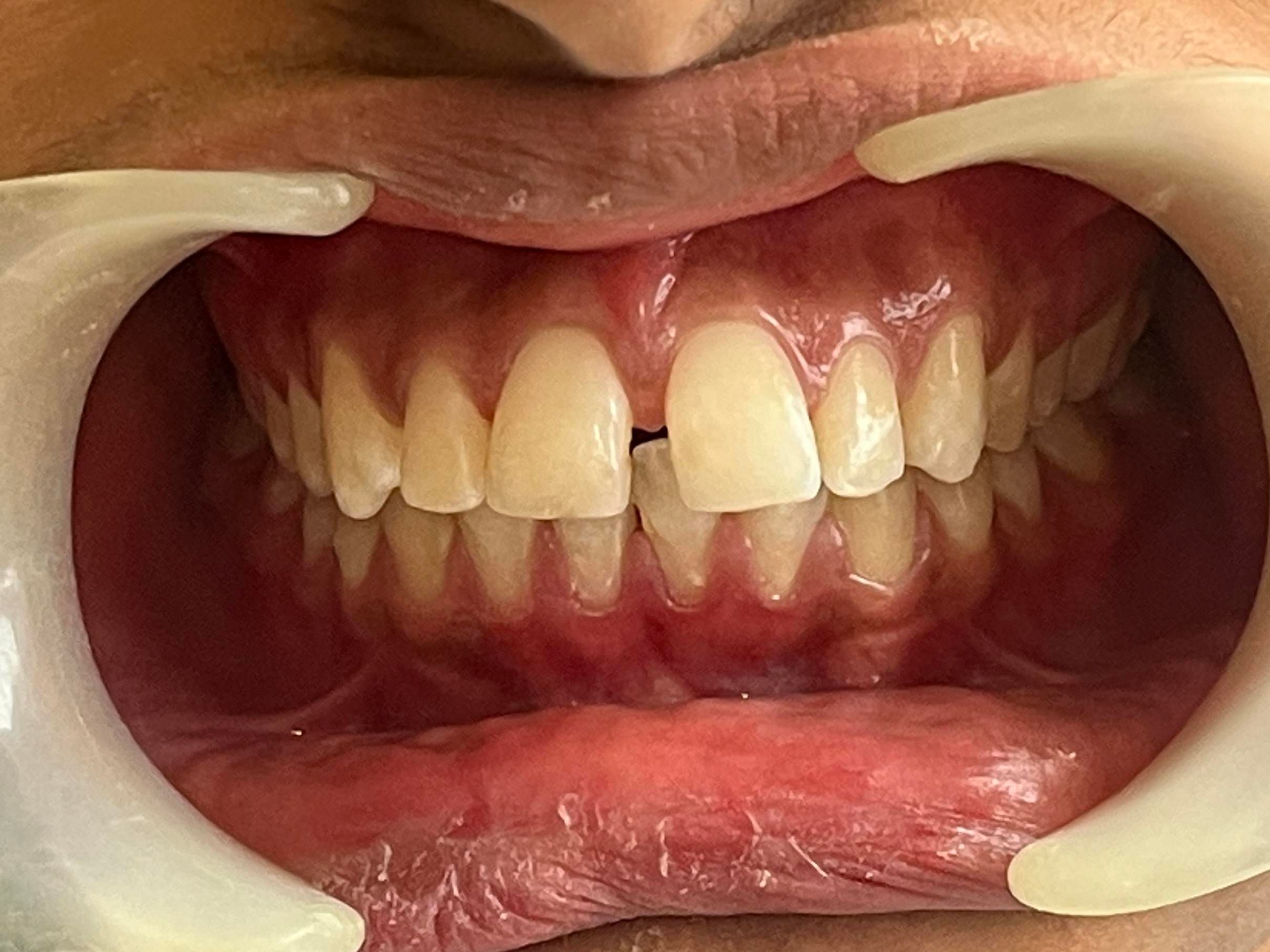
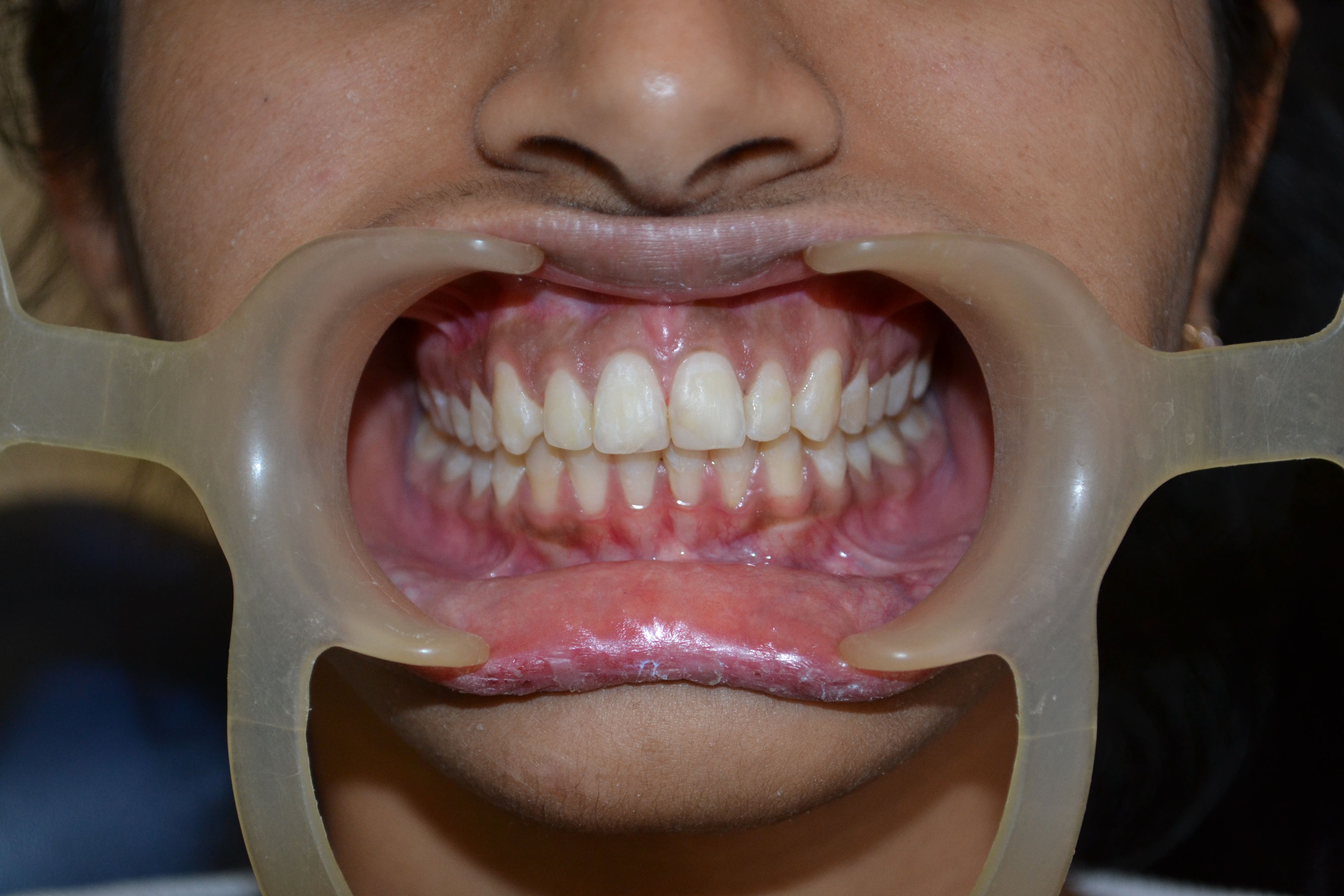
Before & After
Before
After
Do Keep Your Aligners Clean
Aligners may look invisible, but they spend most of their time inside your mouth.
That means cleanliness matters.
Without proper cleaning, aligners can develop:
Cloudiness
Odor
Bacterial buildup
A simple daily routine keeps them fresh:
Rinse aligners whenever you remove them
Brush them gently with a soft toothbrush
Use mild soap or specialized aligner cleaning crystals
Store them safely in their case
One small tip dentists often share: avoid using toothpaste to clean aligners, as it can scratch the plastic and reduce clarity.
Do Maintain Excellent Oral Hygiene
Because aligners sit directly over your teeth, maintaining good oral hygiene becomes even more important.
Before placing aligners back in your mouth, it’s best to brush your teeth.
This prevents food particles from getting trapped between teeth and the aligner tray.
Good oral hygiene during Invisalign treatment helps prevent:
Cavities
Gum irritation
Stained aligners
Bad breath
Many patients actually develop better dental habits during aligner treatment simply because the routine encourages it.
Do Follow the Recommended Aligner Schedule
Every Invisalign treatment follows a carefully designed timeline.
Each aligner represents one stage in the movement of your teeth.
Most patients switch aligners every 7 to 14 days, depending on their orthodontist’s instructions.
Switching aligners too early may disrupt the planned tooth movement. Waiting too long can slow progress.
Trusting the treatment schedule ensures each stage flows smoothly into the next.
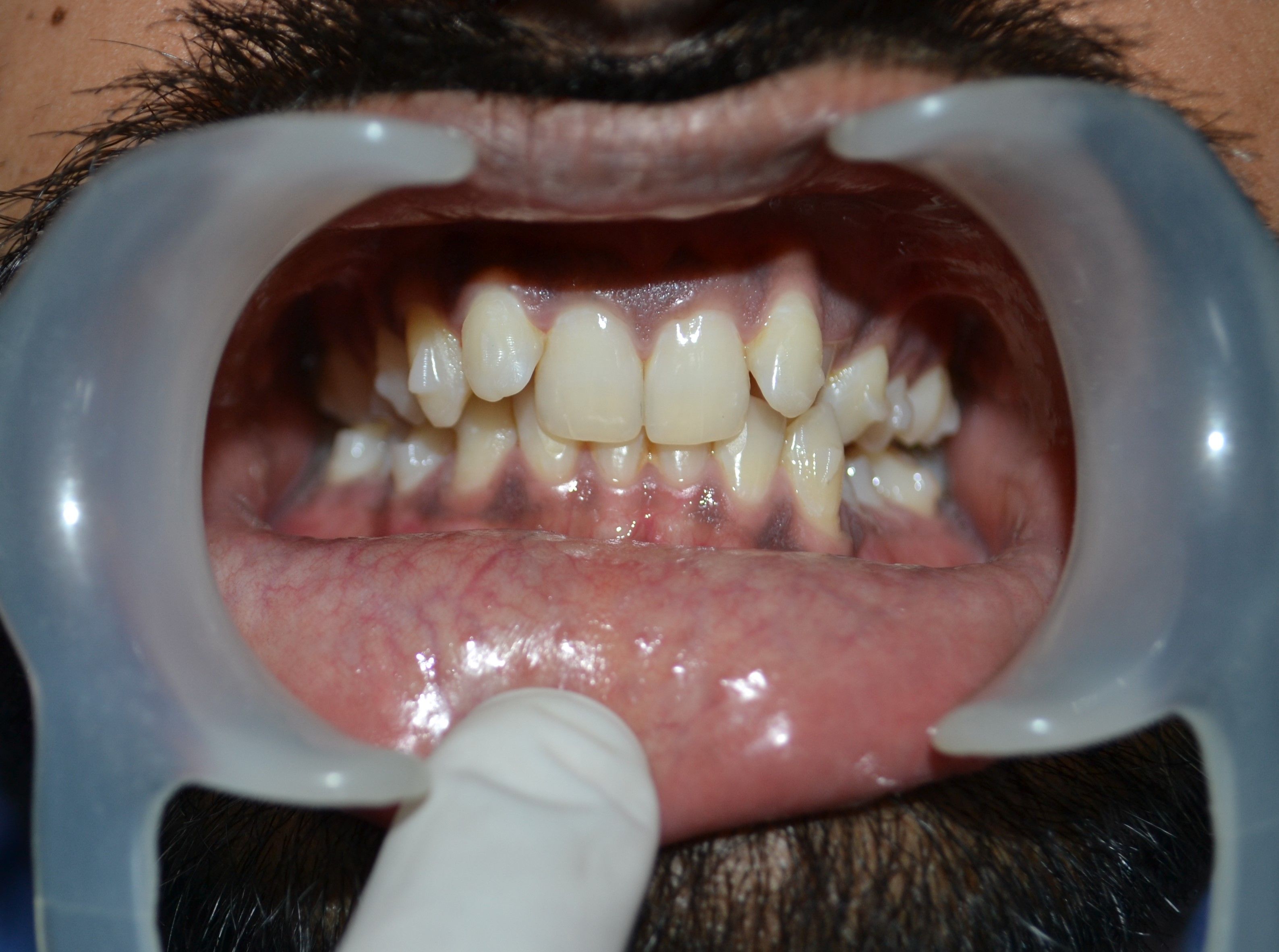
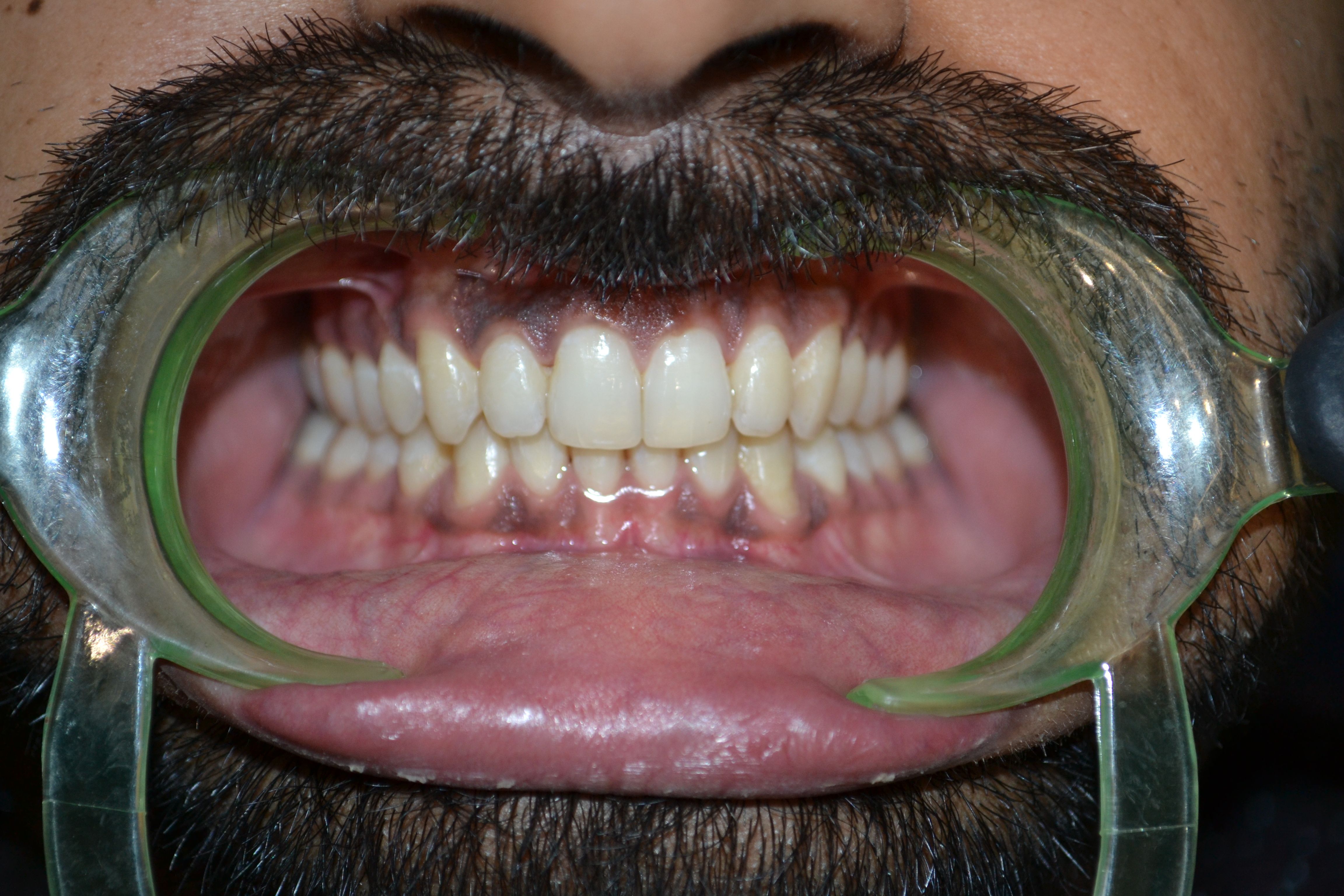
Before & After
Before
After
Do Always Carry Your Aligner Case
This might sound simple, but it prevents one of the most common Invisalign mishaps.
Many aligners are accidentally thrown away when wrapped in napkins during meals.
Carrying your aligner case ensures your trays always have a safe place when removed.
A small habit but one that protects your entire treatment plan.
The Invisalign Don’ts – Mistakes That Can Slow Progress
While the dos help treatment succeed, the don’ts prevent avoidable setbacks.
Don’t Eat While Wearing Aligners
Aligners are designed to move teeth - not chew food.
Eating while wearing them can cause:
Cracks or damage to the aligner
Food stains on the plastic
Poor aligner fit
Always remove aligners before meals.
The upside? Once removed, you can enjoy foods that traditional braces might restrict.
Don’t Drink Coffee or Tea with Aligners In
Hot or colored drinks can affect aligners in two ways.
First, beverages like coffee, tea, wine, and soda may stain the plastic.
Second, hot liquids can warp the aligner material.
Water remains the only safe drink when aligners are in place.
For everything else, simply remove the aligners first.
Don’t Skip Your Dental Checkups
Even though Invisalign requires fewer visits than traditional braces, checkups are still essential.
During follow-up appointments, dentists evaluate:
Tooth movement progress
Aligner fit
Bite alignment
These visits ensure treatment continues exactly as planned.
Don’t Ignore Discomfort
Some pressure is completely normal when switching to a new aligner.
In fact, that pressure is a sign the aligner is working.
However, if you experience persistent pain or aligners that don’t seat properly, it’s worth contacting your dentist.
Early adjustments prevent larger complications.
Don’t Skip Retainers After Treatment
When Invisalign treatment ends, the final step begins.
Retainers.
Teeth naturally try to shift back toward their original positions. Retainers help stabilize the new alignment.
Patients who wear retainers as recommended maintain their results for years.
The Lifestyle Advantage of Invisalign
One of the reasons Invisalign has gained popularity worldwide is how seamlessly it fits into modern lifestyles.
Patients appreciate:
| Lifestyle Feature | Invisalign Advantage |
| Professional settings | Nearly invisible treatment |
| Eating flexibility | Aligners removed during meals |
| Comfort | Smooth plastic trays without wires |
| Oral hygiene | Easy brushing and flossing |
For people who want orthodontic correction without the look or inconvenience of braces, aligners offer a sophisticated alternative.
What Invisalign Results Can Look Like?
Every Invisalign journey ends with something subtle yet powerful.
A smile that feels natural.
Common improvements include:
Straighter teeth
Closed gaps
Improved bite balance
A more harmonious smile
But many patients notice something even more meaningful.
They smile more freely.
Frequently Asked Questions (FAQs)
1. How long does Invisalign treatment take?
Most Invisalign treatments take 12–18 months, though mild cases may finish sooner.
2. Are aligners comfortable to wear?
Yes. Aligners are made from smooth plastic and are generally more comfortable than traditional braces.
3. Can aligners treat crowded teeth?
Yes. Invisalign aligners can correct mild to moderate crowding and spacing issues.
4. How often should aligners be cleaned?
Aligners should be rinsed whenever removed and cleaned at least twice daily.
5. Are Invisalign results permanent?
Results can last for many years when retainers are worn as recommended after treatment.
A Smile Transformation That Fits Your Life
Starting Invisalign treatment often feels like the beginning of a quiet transformation.
There’s no dramatic moment. No sudden change.
Just small, steady improvements - aligner by aligner, week by week.
Until one day you catch your reflection and realize something has shifted.
Your smile looks different.
More balanced.
More confident.
More you.
And that’s the real beauty of Invisalign.
It doesn’t just straighten teeth.
It helps you step into the version of your smile that was always waiting to appear.
Straighten Your Smile, Seamlessly.
If you’ve been thinking about improving your smile but waiting for the right time or the right approach, this could be your moment.
Schedule your Invisalign consultation at Dr Kamala Dental Care and take the first step toward a straighter, more confident smile - designed to fit effortlessly into your life.